



One of many plating methods relying on immersion, manganese phosphate coating is both versatile and effective. At Karas Plating we have been delivering exceptional coating solutions to a wide range of industries all over the UK for over 70 years.
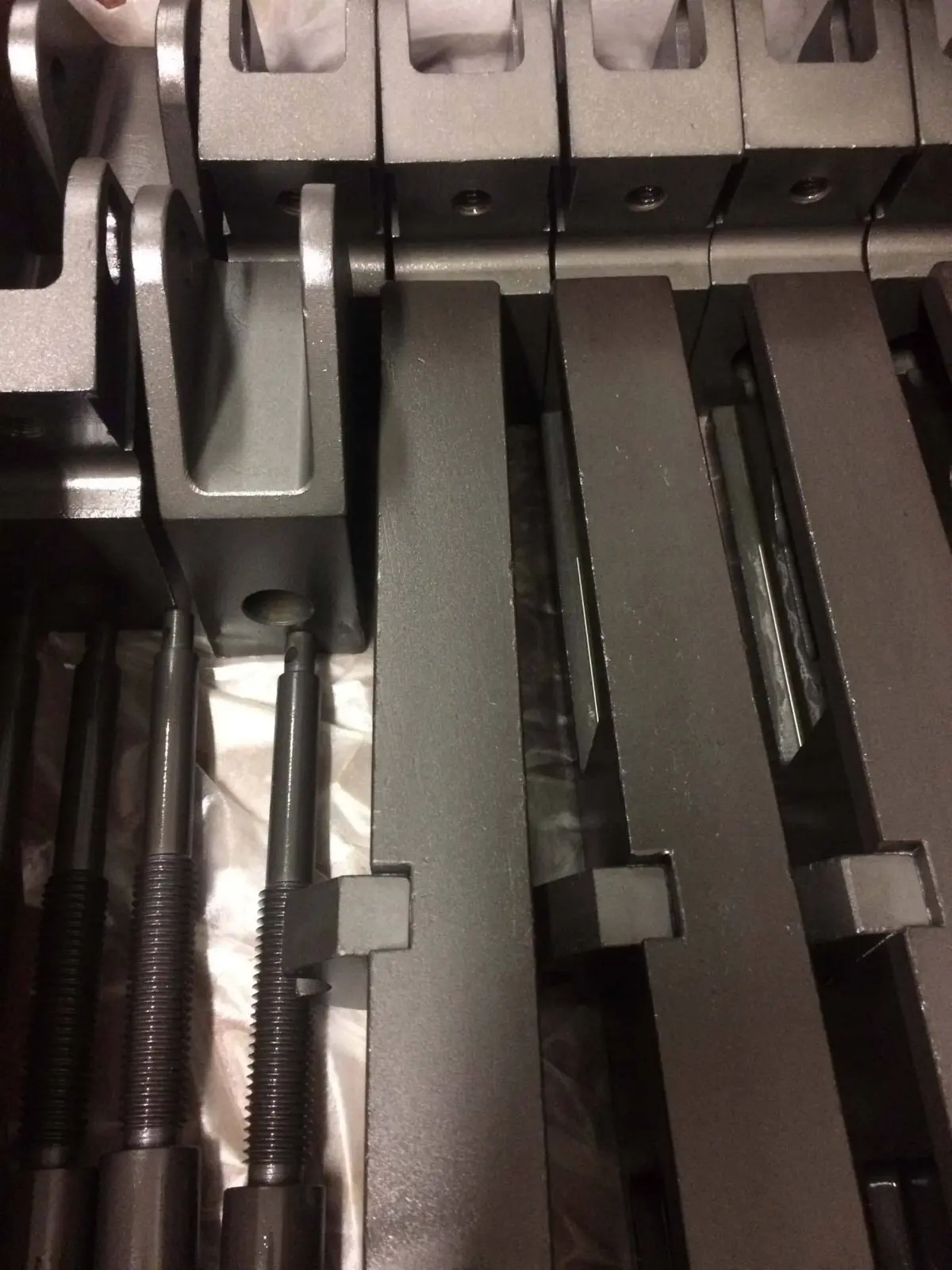
What is manganese phosphate coating?

A coating of manganese phosphate is often applied to ferrous metals like iron and steel to give them extra strength and toughness. It’s frequently used as a pre-treatment, prior to painting or impregnating. As a form of coating by immersion, the process involves dipping the parts into a solution until the desired thickness of coating is achieved.
Manganese phosphate is particularly valued on components that slide, rotate, mesh or clamp together. The tough, porous crystalline surface retains oil or dry-film lubricant, helping to reduce friction, wear, scuffing and galling.
How does manganese phosphate coating work?
Applying a coat of manganese phosphate involves more than just dipping and drying. There are several important stages of preparatory work involved before we can get to work on the metal itself.
These include cleaning and degreasing the part in question before pickling it in a mineral acid. There follows the immersion into the solution and then a further immersion in special oils to ensure the part’s continued lubrication.
These stages are interspersed with water rinses, so that the metal surface is always in perfect condition for the next part of the process.
Applications
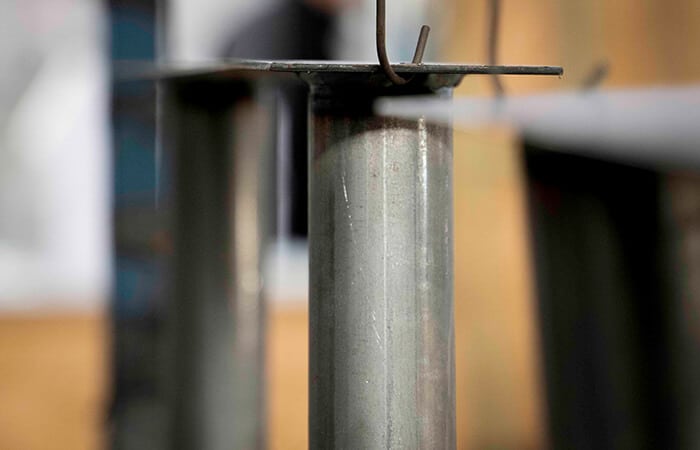
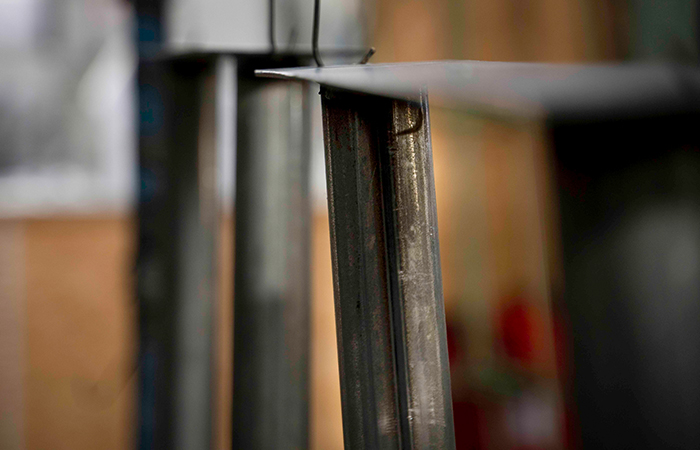
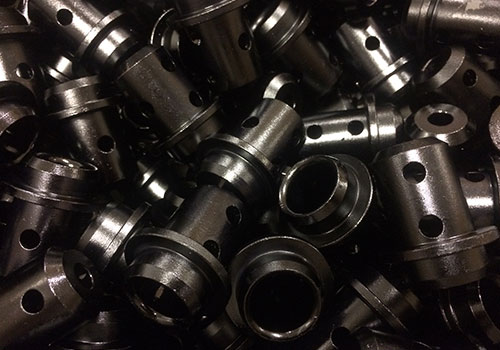
Manganese phosphate coated parts are particularly useful in the automotive industry, as they are frequently to be found inside engines, gears, and power transmission systems.
Likewise, any industry that relies upon anti-corrosive properties will often make use of this coating for critical parts like nuts, bolts, washers, brakes, and magnet cores, amongst others.
It is also used on defence hardware, firearms, metal forming tooling and heavy-duty industrial equipment.
Benefits of the manganese phosphate coating process
Manganese phosphate coating offers many advantages to our customers, the key one being its resistance to friction.
This, combined with its durability, is why so many industries choose this particular plating method for applications that involve moving parts.
It improves resistance to abrasive and adhesive wear, so components can withstand repeated metal-to-metal contact, and reduces the risk of galling, scuffing and seizure.


a quality process
All of our coating processes are approved to meet all ISO 9001 standards for Quality and ISO 14001 standards for Environmental. Whenever you place an order through us, you are assured of quality.
Manganese phosphate coating FAQs
What is manganese phosphate coating used for?
Manganese phosphate is a conversion coating applied to iron and steel parts. It is generally specified for components that slide, rotate, mesh or clamp together, such as gears, engine and transmission parts, fasteners, firearms and tooling, because its porous crystalline surface holds oil or dry-film lubricant.
Which metals can be manganese phosphated?
The process is designed for ferrous metals, mainly iron and steel. If you are not sure whether your parts are suitable, send us the drawing or material specification and we will advise.
What is the difference between manganese phosphate and zinc phosphate?
Both are phosphate conversion coatings for steel. Manganese phosphate is typically chosen where wear resistance and anti-galling on moving parts matter most, while zinc phosphate is more often used as a base for paint or as a corrosion-resistant finish with oil. Find out more about our zinc phosphating service.
How is manganese phosphate coating applied?
Parts are cleaned and degreased, pickled in a mineral acid and then immersed in the manganese phosphate solution. They are rinsed with water between stages and finished with an oil treatment.
Does manganese phosphate protect against corrosion?
It can help reduce corrosion, particularly when sealed with oil or another post-treatment. The level of protection in service depends on the post-treatment, the design of the part and its operating environment.
How much does manganese phosphate coating cost?
Costs vary from job to job. Pre-treatment, the processes involved and metal stock prices all affect the price, so we quote each job individually. Our minimum order charge is £350.
Where are you based, and do you work with customers across the UK?
Karas Plating is based in Leigh, Greater Manchester, and has been coating components for manufacturers across the UK for over 70 years. We are accredited to ISO 9001, ISO 14001 and ISO 45001.
Latest Resources

Plating Processes for the Military
Military components need to be reliable in demanding conditions. We look at the plating processes used for defence and Armed Forces parts, including copper plating, phosphating and zinc plating.
29 November, 2022
Top Plating Solutions for Fasteners
Here at Karas Plating, we have been finishing and plating fasteners of every size and shape for more than 70 years. Our team of professional plating specialists are on hand to assist you in choosing the prefect finish for the job.
17 August, 2021
Hidden extras: the many applications of manganese phosphate coating
Manganese phosphate is less familiar than gold, silver or tin, but it is widely used. Find out what manganese phosphate coating is, how the process works and why it is used on parts such as engine components and gears.
12 February, 2021

