


Flawless finishes on zinc die cast components, ensuring durability and aesthetic appeal. Keep your production running smoothly with a process designed for high-volume, high-quality manufacturing.
What is Zinc Die Casting?

Zinc die casting is produced by melting zinc alloys and injecting them into a pre-made die-casting mould. This process forms the basis for complex, finely detailed metal components across a broad range of sectors – one of many die casting options available today.
Benefits
Here are some benefits of zinc die casting, electroplating & Finishing
Cost-Effectiveness
Zinc die casting offers a cost-effective alloy option for mass-produced parts. Its efficiency and rapid replicability make it ideal for high-volume production, especially when compared to alternatives such as aluminium, magnesium alloys, or titanium alloys.
Speed
With tight production deadlines, manufacturers benefit from the fast turnaround provided by zinc die casting, ensuring components are produced consistently and on schedule.
Applications of Zinc Die Casting
At Karas, we frequently utilise zinc die casting for applications such as cable glands and wired connectors. The automotive industry also benefits by producing lighter parts without sacrificing strength or durability, enhancing fuel efficiency and overall performance. Furthermore, electronic manufacturers appreciate the process for its ability to create intricate, detailed designs. Its versatility makes zinc die casting an ideal solution for a wide range of industrial applications.
Enhancing Zinc Die Casting with Electroplating
Electroplating plays a crucial role in further enhancing the properties of zinc die cast components. According to the International Zinc Association, when finishes are carefully selected and expertly applied, they not only deliver an appealing aesthetic but also significantly improve coating durability. This surface treatment is particularly important because it minimises the effects of surface impurities that can promote corrosion.
Aesthetic and Protective Coatings
Although zinc is valued for its strength and durability, it is susceptible to corrosion in acidic or strongly alkaline environments. Electroplating provides a protective metallic layer that shields components from corrosion while enhancing their visual appeal.
Electroplating Processes
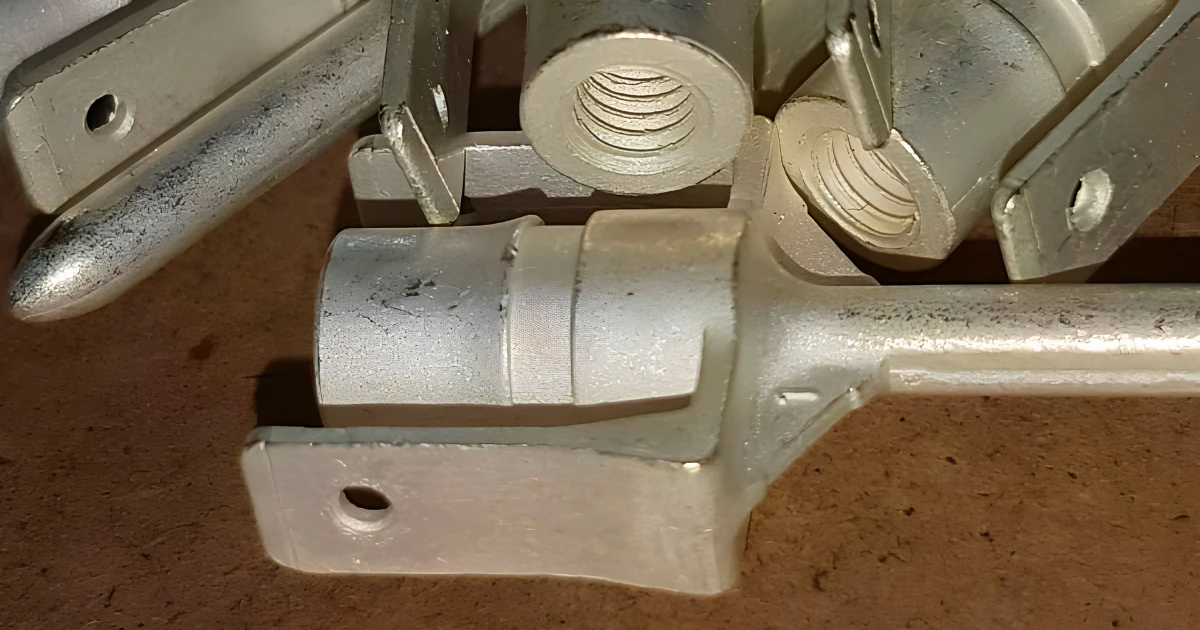
Electroplating gives zinc die cast parts a more durable, corrosion-resistant and visually consistent surface than the bare casting can provide. Several processes are commonly used on zinc die cast components.
Nickel Plating
Nickel is the most common finish for zinc die cast components. It gives useful wear resistance, lubricity and some corrosion protection, and it improves the appearance of the part and the adhesion of any finish applied over it.
Electroless Nickel Plating
This process offers a wear-resistant surface with a high-gloss finish, making it an excellent choice for manufacturers seeking both durability and a premium appearance.
Copper Plating
Copper is normally used as an intermediate layer on zinc die castings. It improves adhesion, levels small surface imperfections and provides good conductivity before nickel or another finish is applied. It can also be left exposed for specific electrical applications.
Zinc Plating
As noted by the International Zinc Association, zinc alloy die castings often receive a thin electroplated coating of zinc, which is then clear passivated. This method results in a bright, passivated finish and is typically preceded only by vibratory treatment.
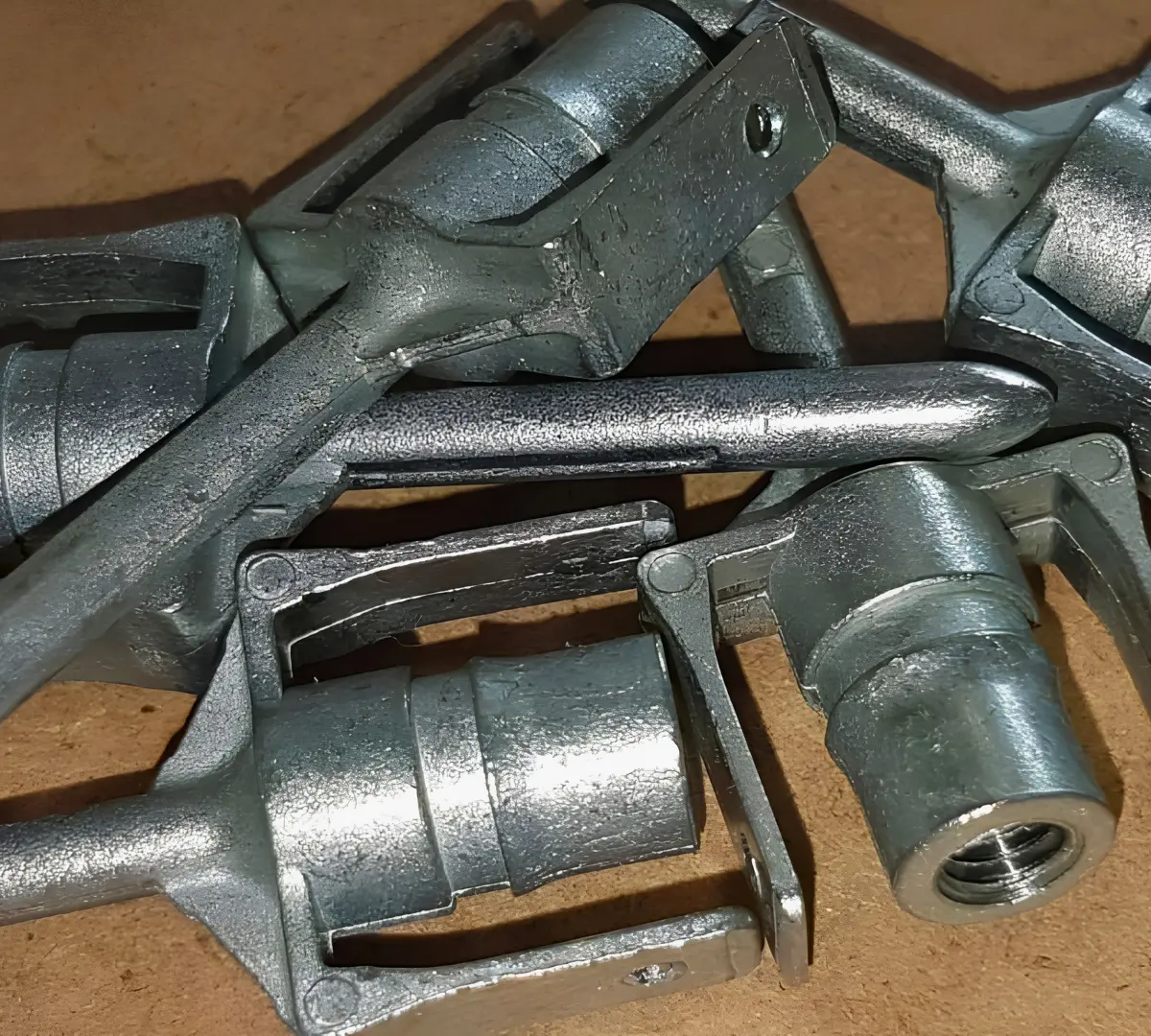
Zinc die cast products that have been barrel silver plated to 8 microns.
Silver Plating
Silver plating is used where high electrical conductivity, reflectivity or a specialised finish is needed. It is a good fit for zinc die cast contacts and connector bodies used in electrical and electronic assemblies.
Tin Plating
Tin plating is used where solderability, electrical contact performance or a soft, conductive surface is important. It is a practical choice for zinc die cast connector and terminal components.
Need Electroplating?
At Karas, we understand that delivering high-quality, high-volume parts is crucial for keeping your production line running smoothly. Our expert plating services ensure that your zinc die cast components receive a consistent and durable finish within agreed time frames, allowing you to maintain peak operational efficiency.